
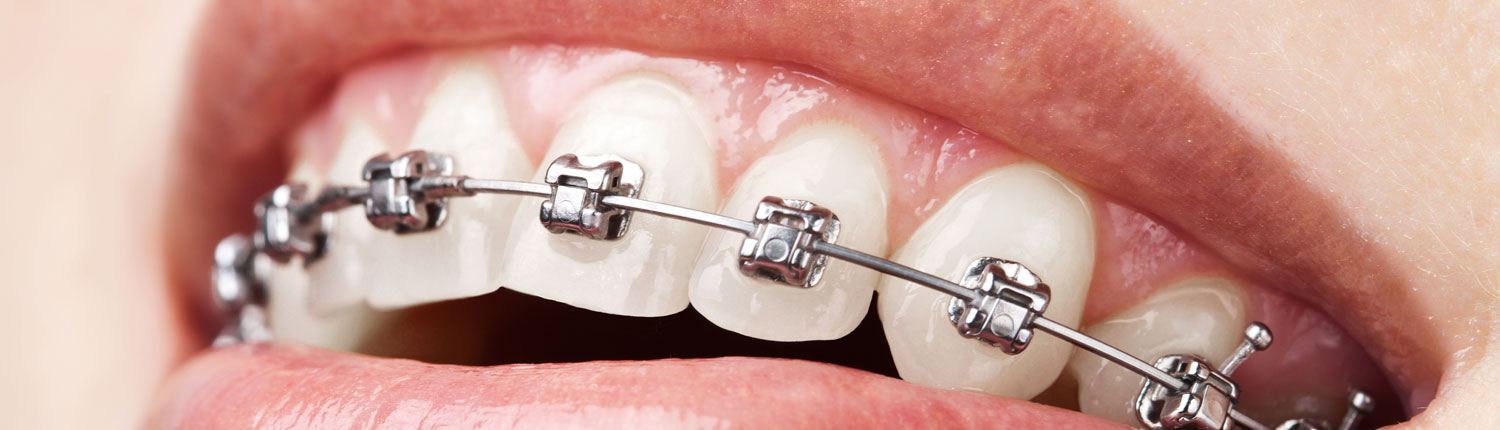
 Whether you are planning to visit the dentist to install braces or your loved one is an orthodontic patient, it is crucial to learn more about braces and orthodontics. This helps a lot when you are communicating with the dentist about the procedure, your options, and explaining what you want.
The most crucial thing you should know about braces is the components that make up the braces and how they function to correct your dental structure.
What are braces made of?
The purpose of braces is teeth and jaw alignments. The mechanics of this process requires four parts which make up the braces. The following are the components of braces:
- These are the foundations glued to each tooth. Usually, they are made of ceramic or metallic materials. They are the most prominent and visible components of the braces.
- Bonding material. This is the glue that binds the brackets and the tooth. There are various glue brands with different qualities that a dentist can use depending on your procedure.
- They are thin, strong metal wires that pass over or through the brackets. They generate the pull or push pressure that is needed to move the teeth to the desired position gradually.
- Ligature elastics. Also known as O-rings or ligatures are elastic bands that ensure the brackets and the archwire are firmly held together. This prevents any unnecessary movements of the archwire, which could loosen or compromise the braces. There are various colour versions and designs of O-rings you can choose from. For instance, colourless, pink, and other patterns that would suit you. The ligatures are replaced on every adjustment appointment; thus, you could experiment on various designs throughout your treatment period.
How do braces work?
The archwires and brackets generate the force that is required to create the pressure needed to move the teeth. The archwires are made of materials which become stiff or remain straight when activated by the heat in your mouth. This feature generates the force which is transmitted to the teeth by the brackets attached on your teeth.
Over time, the pressure exerted on your teeth loosens the teeth from their initial position to where they are directed. The gums and the bone where the tooth originate also respond to the pressure. They adjust and grow back when the tooth has settled in its new position.
For braces to be effective, you should follow the dentist’s instructions. The guidelines are easy to follow and can make your transition and experience with braces as easy as possible. For instance, the dentist will advise you to avoid hard foods such as whole grains, seeds and nuts. Hard foods can damage your braces or can be hard to remove once they get caught between your teeth or braces.
